Scroll through the milestones that shaped NI and transformed engineering
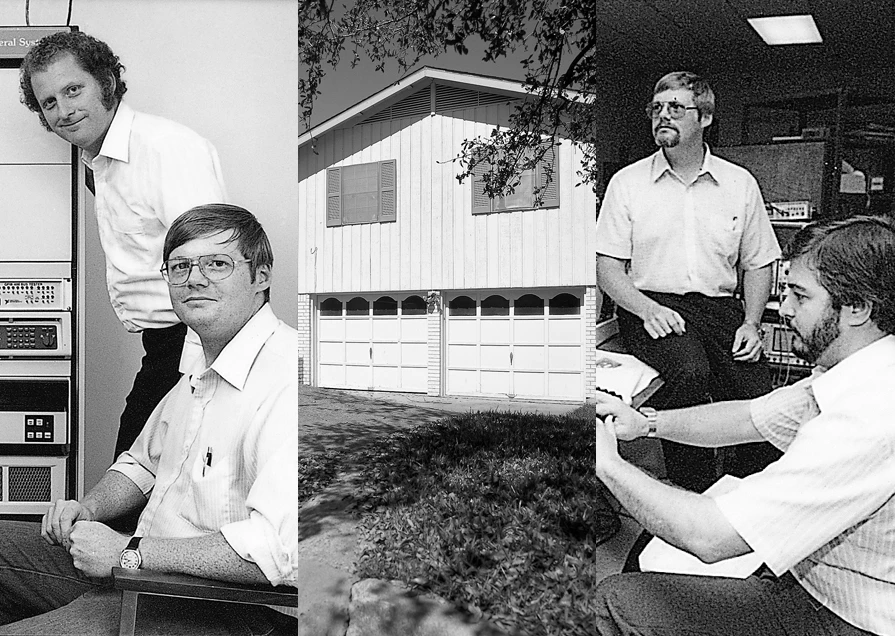
James Truchard, Jeff Kodosky, and Bill Nowlin found National Instruments in Austin, Texas, starting with a $10,000 bank loan and a vision to revolutionize test and measurement using personal computers.
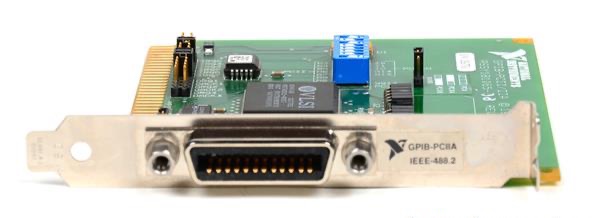
NI develops the first GPIB (General Purpose Interface Bus) board for the IBM PC, making it possible to connect laboratory instruments to personal computers and opening a new era in automated testing.
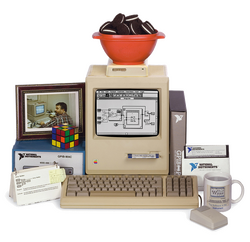
NI releases LabVIEW (Laboratory Virtual Instrumentation Engineering Workbench) for Macintosh — a revolutionary graphical programming environment that transforms how engineers and scientists build test, measurement, and control systems.
NI opens its first international branch in Tokyo, marking the beginning of a global expansion that would eventually span more than 50 countries.
NI headquarters moves to Bridge Point Parkway, reflecting the company's rapid growth from a small startup to an established leader in test and measurement.
NI launches the Alliance Program to leverage third-party developers' and systems integrators' success, creating a powerful ecosystem around NI products.
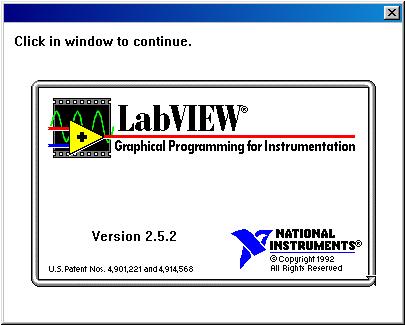
LabVIEW for Windows-based PCs and UNIX workstations significantly expands opportunities. SCXI signal conditioning expands the types of signals PCs can measure.
LabWindows/CVI for Windows enhances the scientific programming environment for C/C++ programmers, complementing LabVIEW's graphical approach with a powerful text-based alternative.
NI launches its website as a natural extension of the direct sales model, and breaks ground on the Mopac campus in Austin, TX — the headquarters that would serve the company for decades.
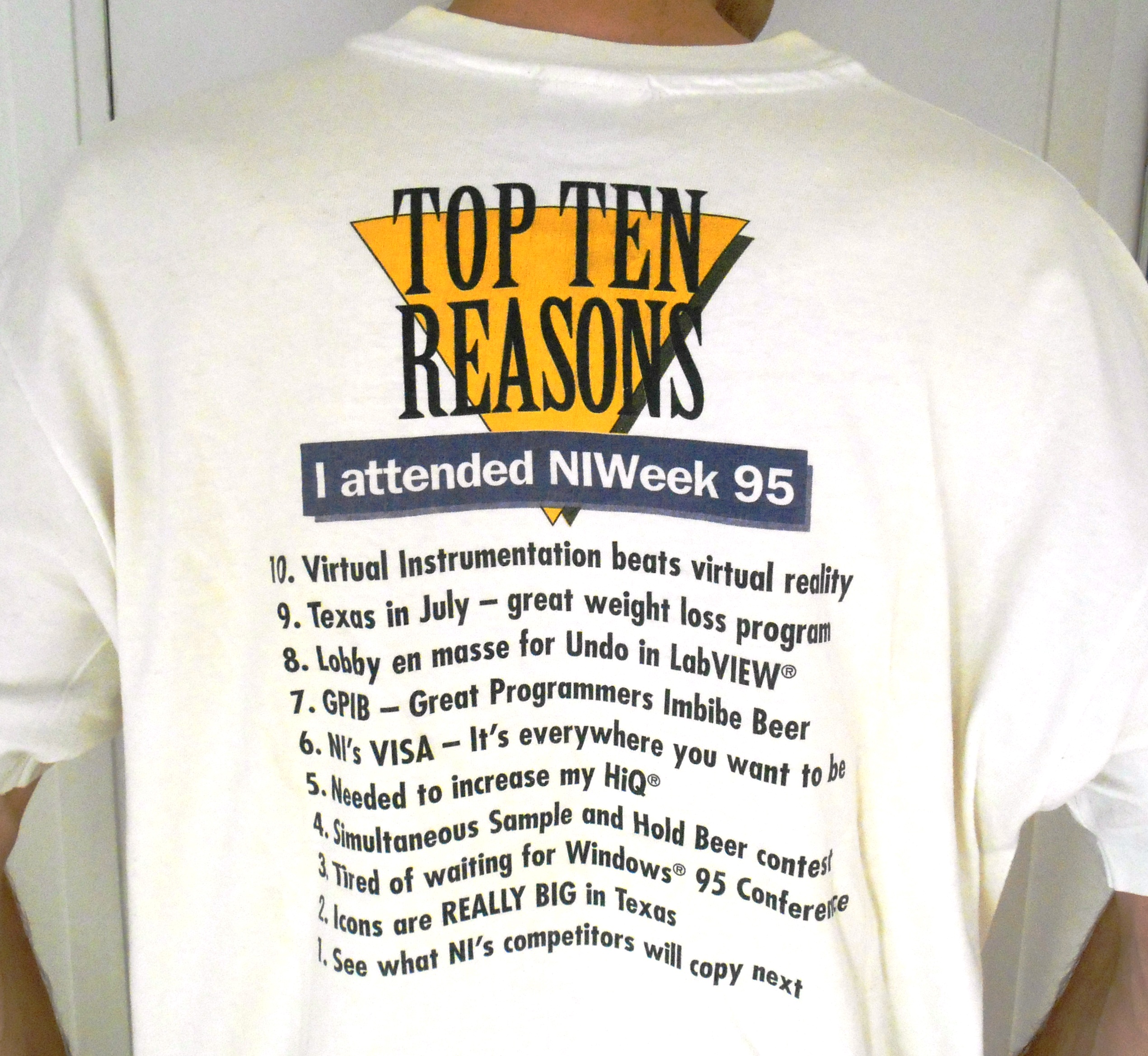
A landmark year for NI: the company goes public on March 15th, and hosts the first-ever NIWeek — the annual conference that would become the premier event for engineers and scientists worldwide.
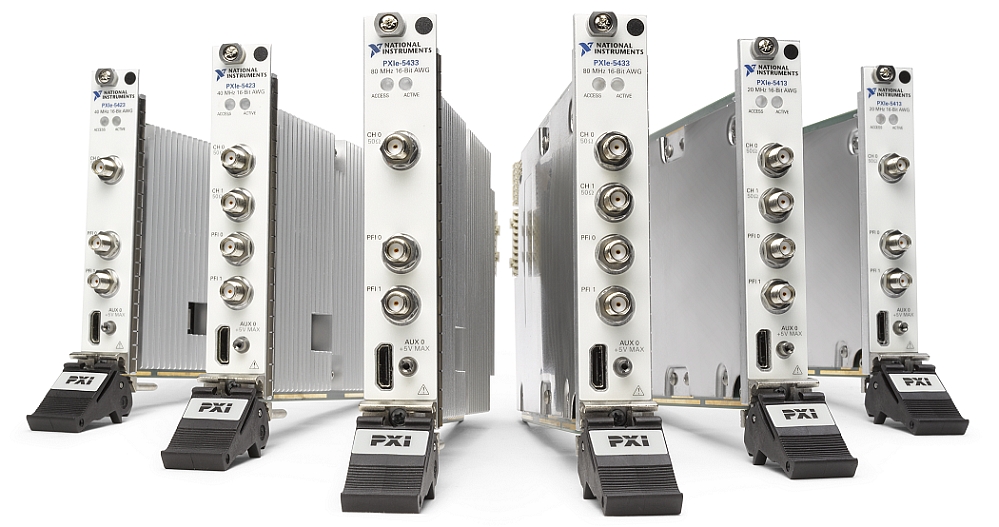
NI announces the PXI (PCI eXtensions for Instrumentation) standard at NIWeek, introducing a modular instrumentation platform. FieldPoint products lower cost for distributed data collection.
TestStand, a ready-to-run test executive, is introduced — giving engineers a powerful framework for organizing, executing, and reporting on automated test sequences.
LabVIEW RT expands opportunities to replace dedicated industrial equipment with PC-based systems that deliver constant, reliable operations for mission-critical and embedded applications.
LabVIEW 6i brings internet connectivity to the platform, enabling engineers to publish data, control instruments, and collaborate over the web.
CompactRIO is introduced — an embedded control and data acquisition system utilizing reconfigurable I/O (RIO) technology, featuring a real-time processor and a field-programmable gate array (FPGA).

James Truchard and Jeff Kodosky are inducted into the National Inventors Hall of Fame, joining the ranks of Thomas Edison, the Wright Brothers, and other legendary innovators — a fitting recognition of their revolutionary contributions.
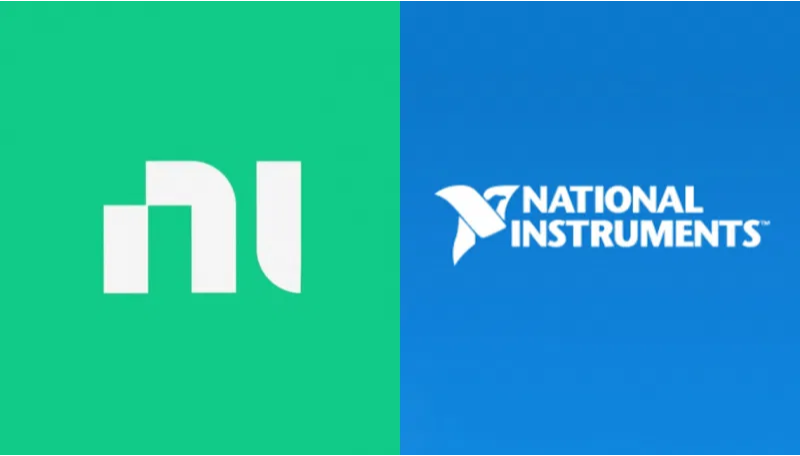
After 44 years of the classic blue identity, NI undergoes its first major rebrand. The company adopts a new green logo and simplified "NI" name, signaling a new chapter of growth and transformation.

Emerson Electric completes the acquisition of NI for $8.2 billion, bringing NI's test and measurement expertise into one of the world's largest engineering and technology companies. A new chapter begins on the same Austin campus.
Half a century after three engineers started a company in a garage, NI alumni come together to celebrate the legacy, the innovation, and the people who made National Instruments extraordinary.
Relive the May 21 celebration in the recap, or share your own NI memories to add to the archive.